I wonder if a revised version of the radiator deflector would work better. One that is curved, because air will follow a curve versus the ones that have a hard bend in them. I know their purpose is to try to deflect the hot air away from the inside of the LR, but might be able to do both by making it curved. Deflect the hot air and draw cooler air around the outside. Could maybe even have downwash strakes to further direct air towards the tire.
That’s literally my old design, I can dig it up and send it over but make sure to use more than 30% infill.
Guys I know how to make it not slide away. I just printed a ring that is like on the rear hubs. Look at the photo below
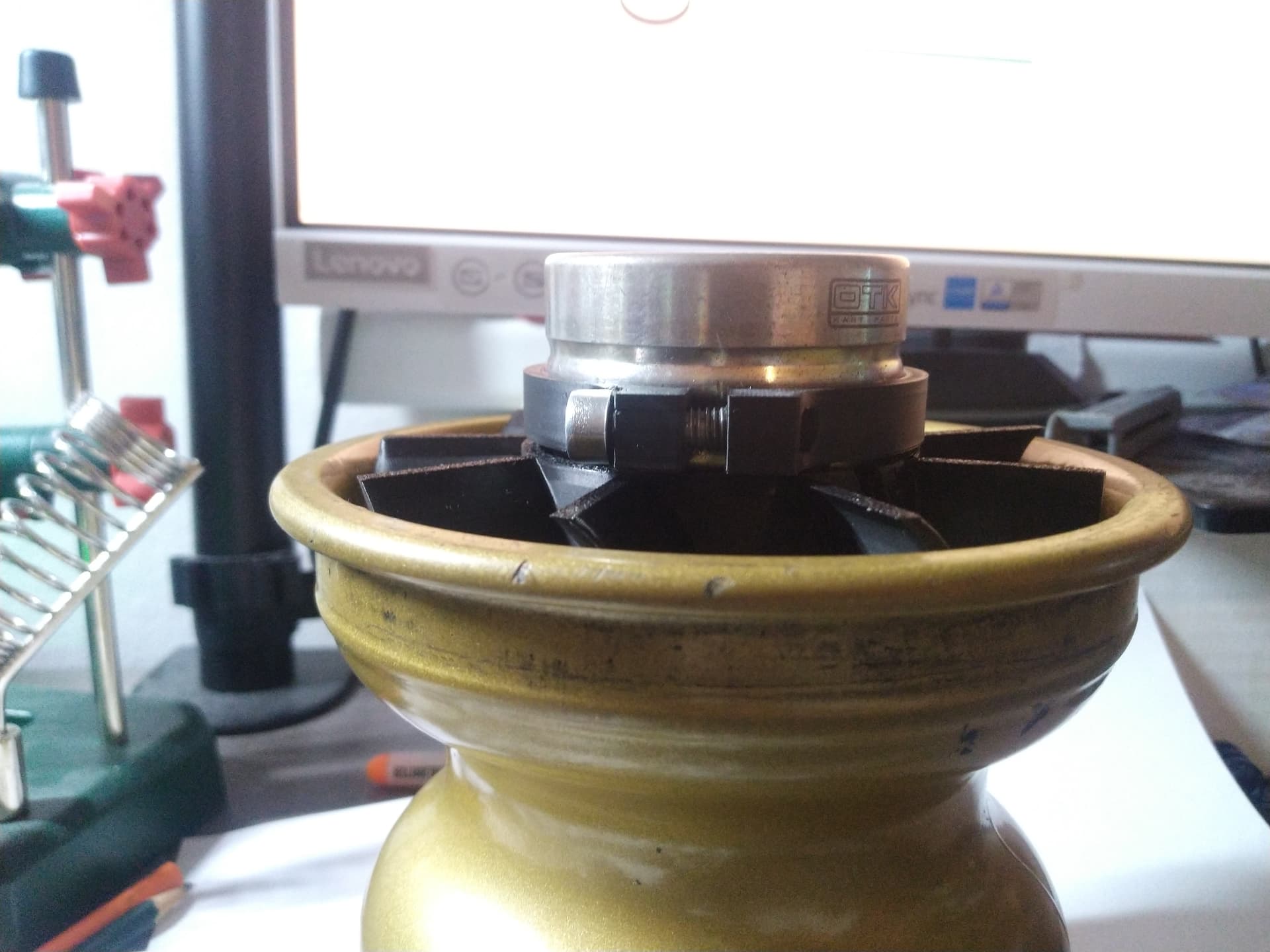
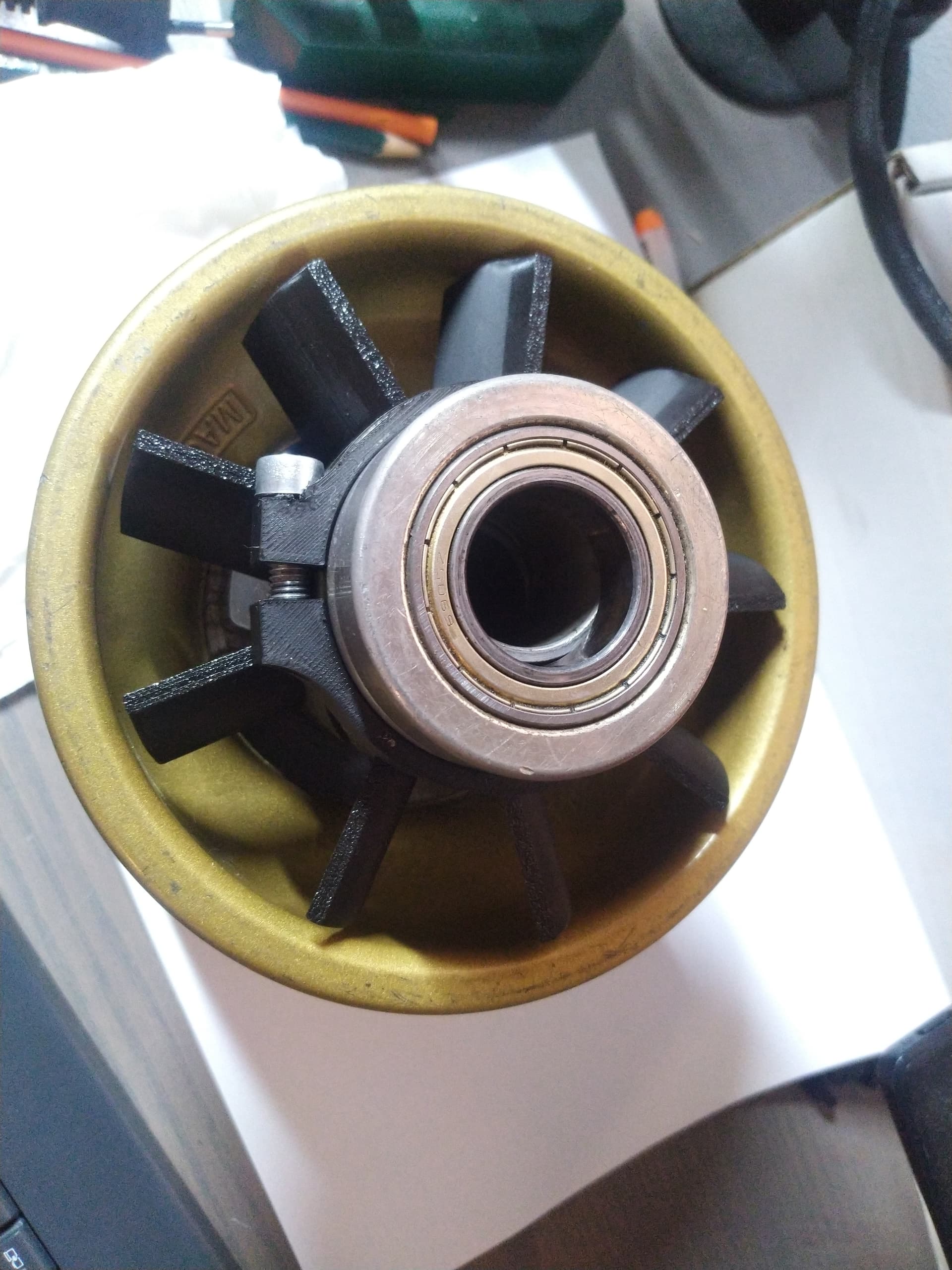
But would it be legal for national rotax races? I will drive this week in Slovenia and am not 100% sure if they can allow it. Are there any rules about it?
@xFillip, that is a solution we have considered as well. We were looking to avoid the addition of a metal screw if at all possible. As to legality, it is my understanding that GFC received SKUSA approval for their design. Pretty much all I know.
1 Like
Could you create a sort of threaded counter lock? Also, could you instead of using a steel or aluminum hex screw make something similar out of the polymer?
Would it be “illegal” to use an adhesive system?
So if a “screw” is illegal, then would it be legal if I did the same, but with a zip tie?
Why do you try to avoid it? Illegal? If not then I don’t see a problem that would make you try and avoid it.
I would use a nylon set-screw instead of a pinch clamp for retention…
1 Like
If you need turbo fans on your wheels to keep the temp down, I think you need a different wheel. 
I’m half-joking, don’t @ me.
2 Likes
Or a different kart… lol
1 Like
Last year I met one driver who neved had MXC wheels. At best his team lent him some Freeline DF wheels
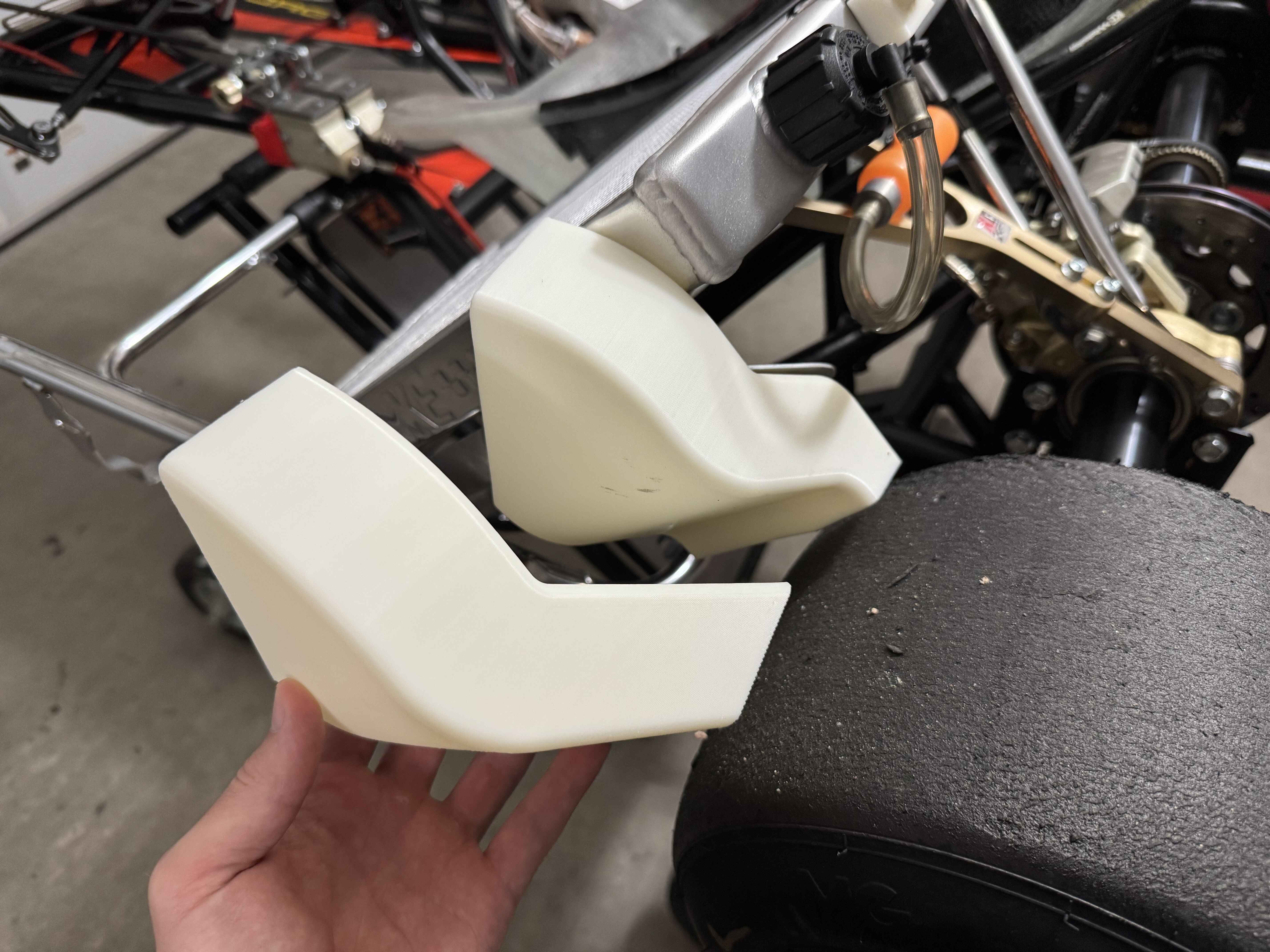
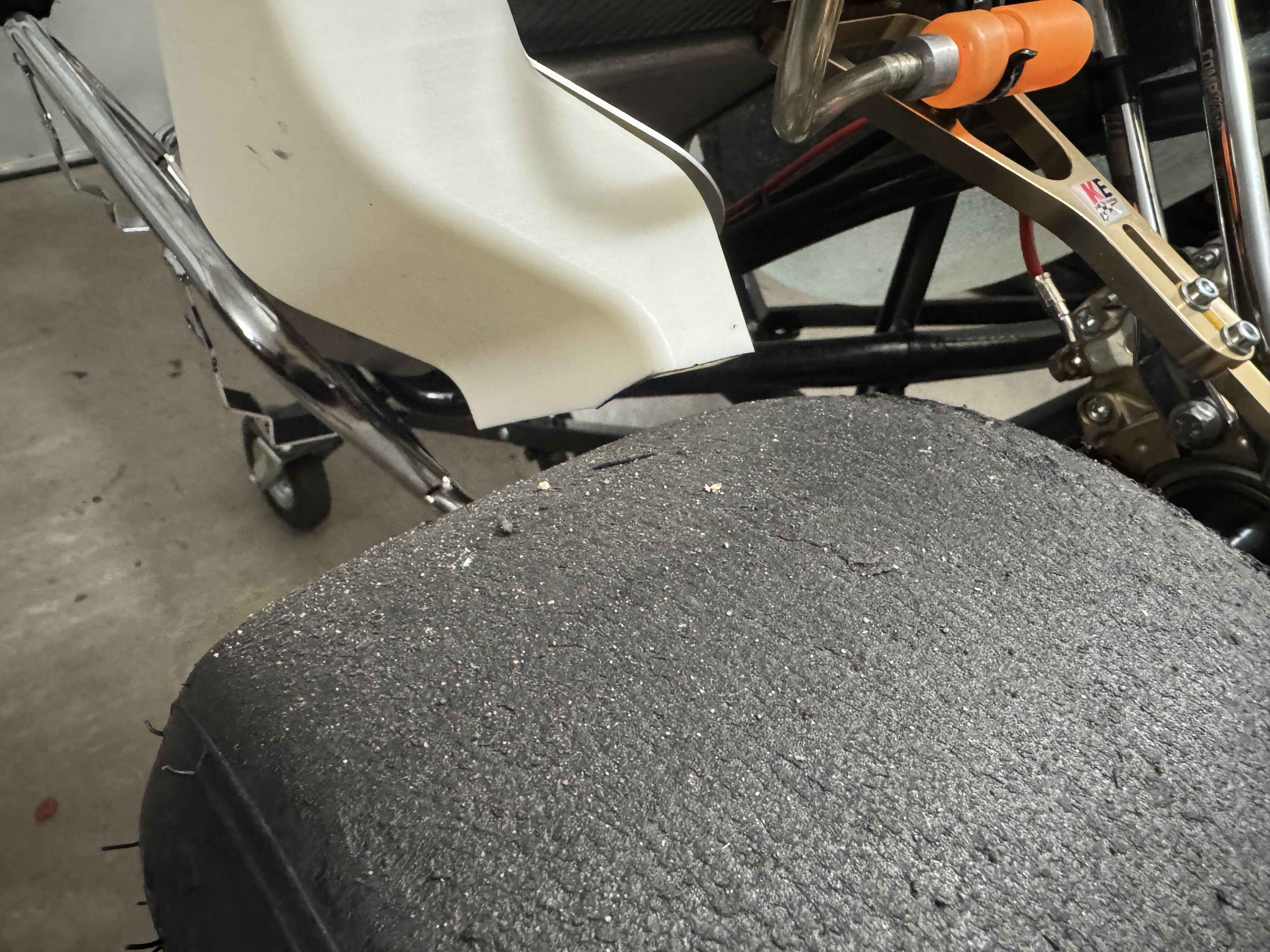
V1 seemed to be a success. Already printed V2. Went thinner and smaller. Needed a bit more clearance to the tire and trying to direct the air a bit more inboard to really hit the inside shoulder.
I don’t think I got the best feel for if it is working. This set of tires seemed to almost instantly fall apart and blister the inner edge after 10 laps at a moderate pace.
2 Likes
I really like this but I’m very skeptical of the benefits. How could you measure the real word difference? I would love to see this work.
Pretty easy. Looking at tire wear after a stint, pyrometer to measure the tire temp, and the most important how does it feel over the length of stint.
Our track is pretty punishing. Rough asphalt and just really hot temps living in the desert. Depending on what direction CW versus CCW we run the LH or RH rear tire is almost constantly loaded and never really gets a break.
Pretty easy to back to back as well. Run it open. Tape it up and go again.
Oh also I did some redneck CFD and put a leaf blower on my workbench and fired it at the kart. The scoop moved a pretty good amount of air. Without it there the air was pretty stagnant behind the shroud.
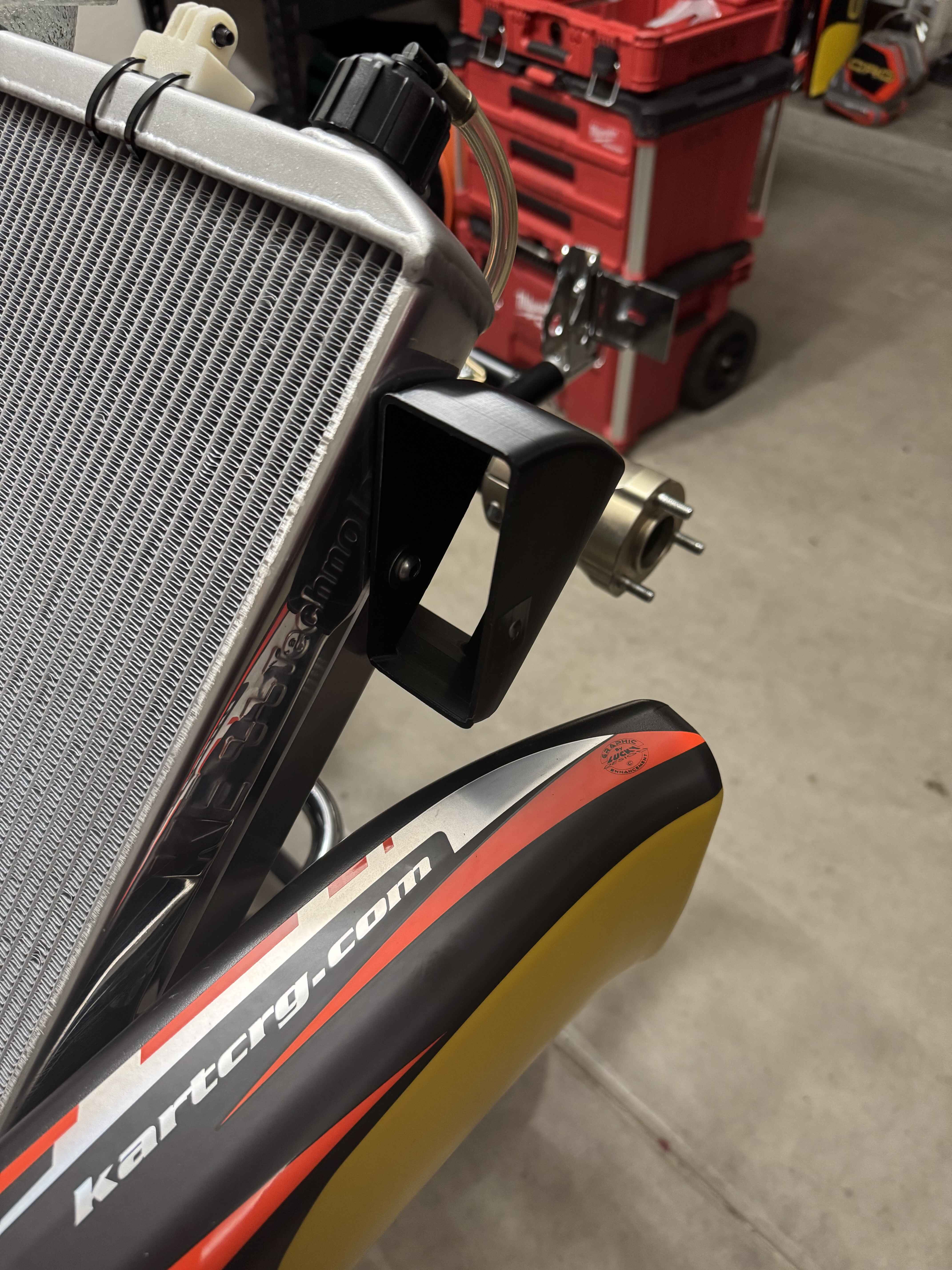
How do you account for slight changes in driving style. You could maybe do a few runs with and without and take the average .
My consistency is pretty good. I can normally knock out a good chunk of laps all within a couple tenths. I’ll just have to feel for when the tire falls off and take a look at the data. Also it’s pretty obvious on these Evincos when they get over worked. I could keep them in a happy window driving 8/10s. It’s when I started getting after it I killed the inner edge.
You could also fit tire temperature sensors.
I have some infrared sensors kicking around. I just need to finish wiring them up to an arduino board and writing some simple code.
Problem is external temps just aren’t that reliable. Ideally I’d like to mount them inside the rim to measure core temps. But then I need a wireless setup.
I’ve thought about doing this for a senior engineering project basically mountable diy Arduino temps. Like you said surface temp isn’t what you want it’s the tire core carcass temps. My current preliminary thought process to avoid making the entire system entirely complicated is to do data analysis and basically correlate what the IR sensors read and compare with a pyrometer reading on the tire and try and basically correct what the IR sensors read.